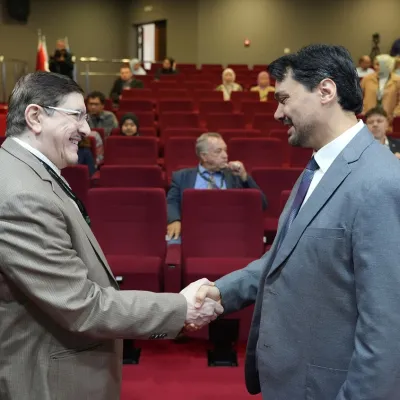
International Panel Conference on the Legacy of the Sokolović Family Held at IUS
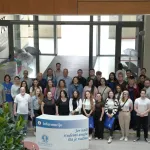
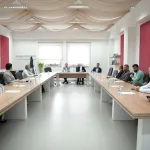
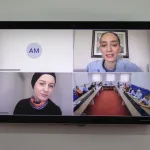
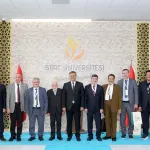
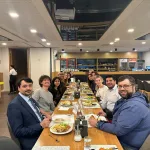
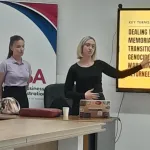
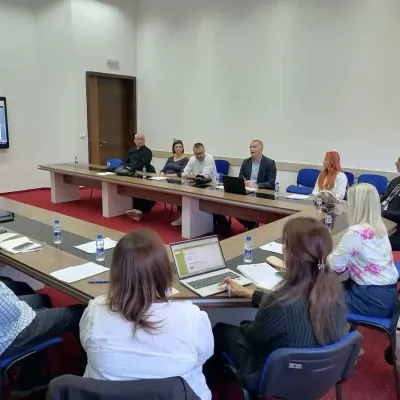
On Friday, October 24, 2025, the International University of Sarajevo (IUS) hosted an international panel conference titled “Sokolovići: New Findings, New Approaches,” marking the 470th anniversary of the founding of the town of Rudo and the waqf deed (vakufnama) of Kara Mustafa Pasha Sokolović from 1555.
The conference was organized by the Muftiate of Goražde and the Islamic Community of Rudo, in cooperation with the International University of Sarajevo, its Political Science and International Relations (PSIR) study program and the IUS Balkan Studies Centre, the Oriental Institute of the University of Sarajevo, the Institute of History of the University of Sarajevo, Istanbul University, the General Directorate of State Archives of the Republic of Türkiye, and the General Directorate of Foundations of the Republic of Türkiye.
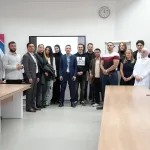
The event brought together prominent historians, heritage researchers, and scholars from Bosnia and Herzegovina and Türkiye, who explored the cultural and historical heritage of Kara Mustafa Pasha Sokolović, his endowments, and their lasting relevance in modern society.
Opening Remarks
In his welcoming address, IUS Rector Prof. Dr. Ali Osman Kuşakcı expressed his pleasure that IUS had the honor of hosting such an important academic gathering dedicated to Kara Mustafa Pasha Sokolović.
“This conference helps preserve the memory of his life and work and ensures that his story continues to inspire future generations,” said Rector Kuşakcı.
Significance of Waqfs and Heritage Preservation
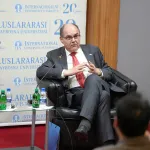
The Mufti of Goražde, Remzija-ef. Pitić, emphasized the enduring importance of waqfs and the responsibility of current generations to preserve them:
“There is no city without a waqf, and there are no waqfs without our people,” he said, stressing the need for a serious, institutional approach to managing and protecting endowments.
“We must approach the waqf of Mustafa Pasha Sokolović as great nations and institutions do — by establishing a solid foundation and confronting centuries of propaganda, distortions, and misconceptions.”
New Historical Insights
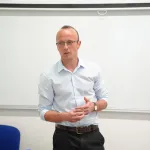
Dr. Aladin Husić, Director of the Oriental Institute of the University of Sarajevo and historian-osmanist, discussed the importance of Rudo as a model of a new urban concept in Bosnia and Herzegovina:
“The history of Rudo has not been easy — floods and demographic shifts disrupted its continuity and changed its population structure, including the expulsion of Bosniaks in recent history,” he noted.
The panel focused primarily on early historical developments in Rudo, the exploration of new archival sources, and the rediscovery of less-known aspects of the town’s past. Contemporary issues related to waqfs are expected to be further analyzed in subsequent phases of research.
Panelists and Reflections
In addition to Dr. Husić, speakers included Prof. Dr. Sedad Bešlija, Director of the Institute of History, University of Sarajevo; Dr. Uğur Koca from the General Directorate of State Archives of the Republic of Türkiye; Dr. Ramazan Pantik from the General Directorate of Foundations of the Republic of Türkiye; and Dr. Fatih Çalışır.
As the organizers emphasized,
“Throughout centuries, endowments have served as bridges between eras and peoples — lasting symbols of goodness, wisdom, and the belief in the value of the common good.”
The legacy of Kara Mustafa Pasha Sokolović continues to remind us of the power of vision, spirituality, and cultural heritage that transcends generations.