
Building Bridges Through Dialogue: Türkiye’s Ambassador to BiH H.E. Emin Akseki Addresses IUS Students
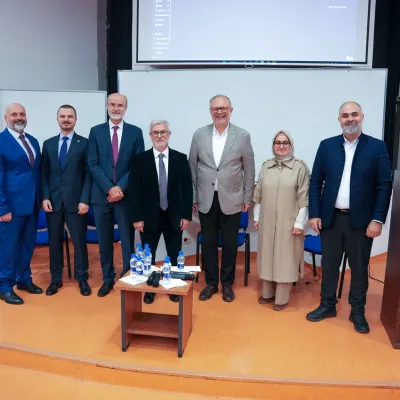
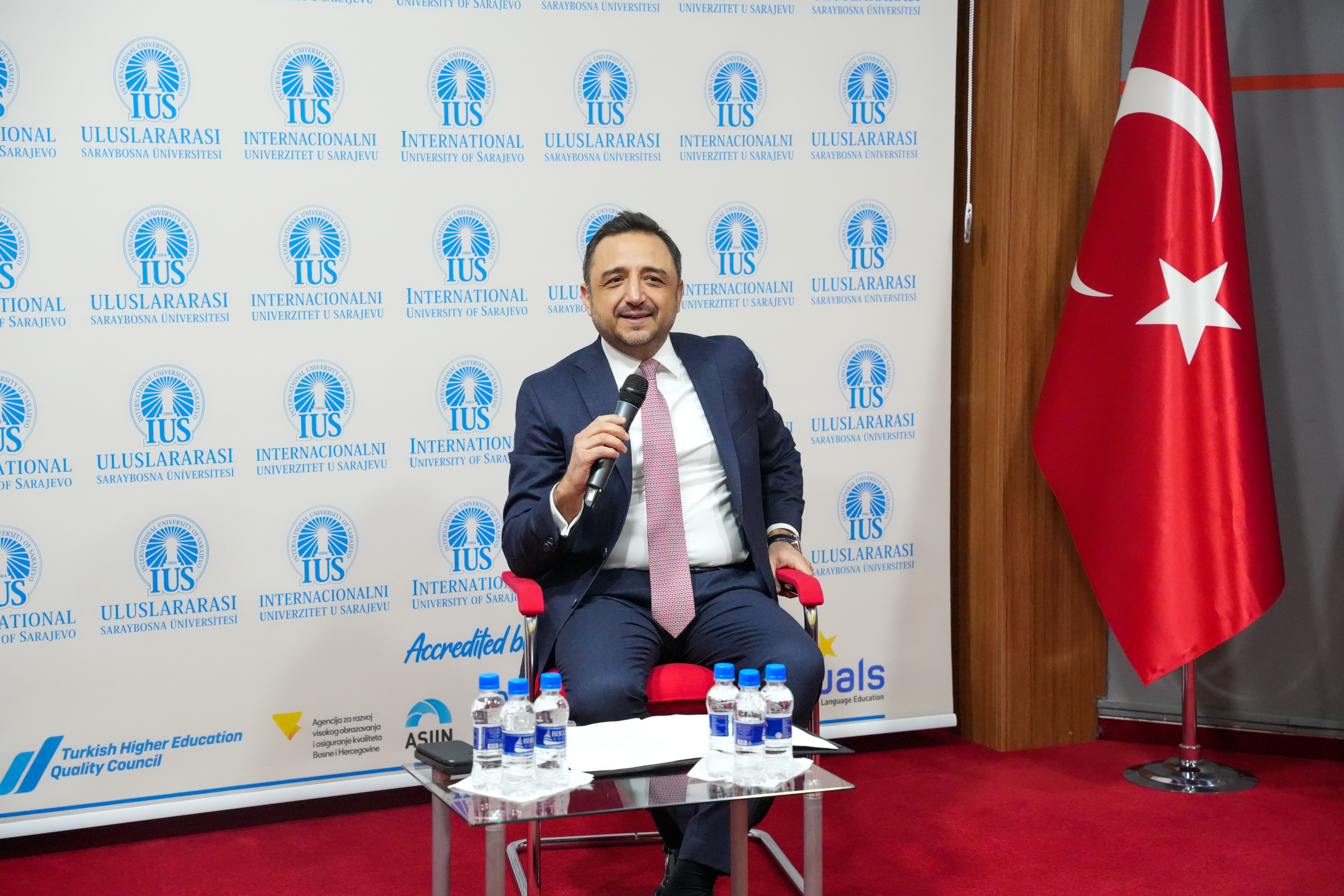
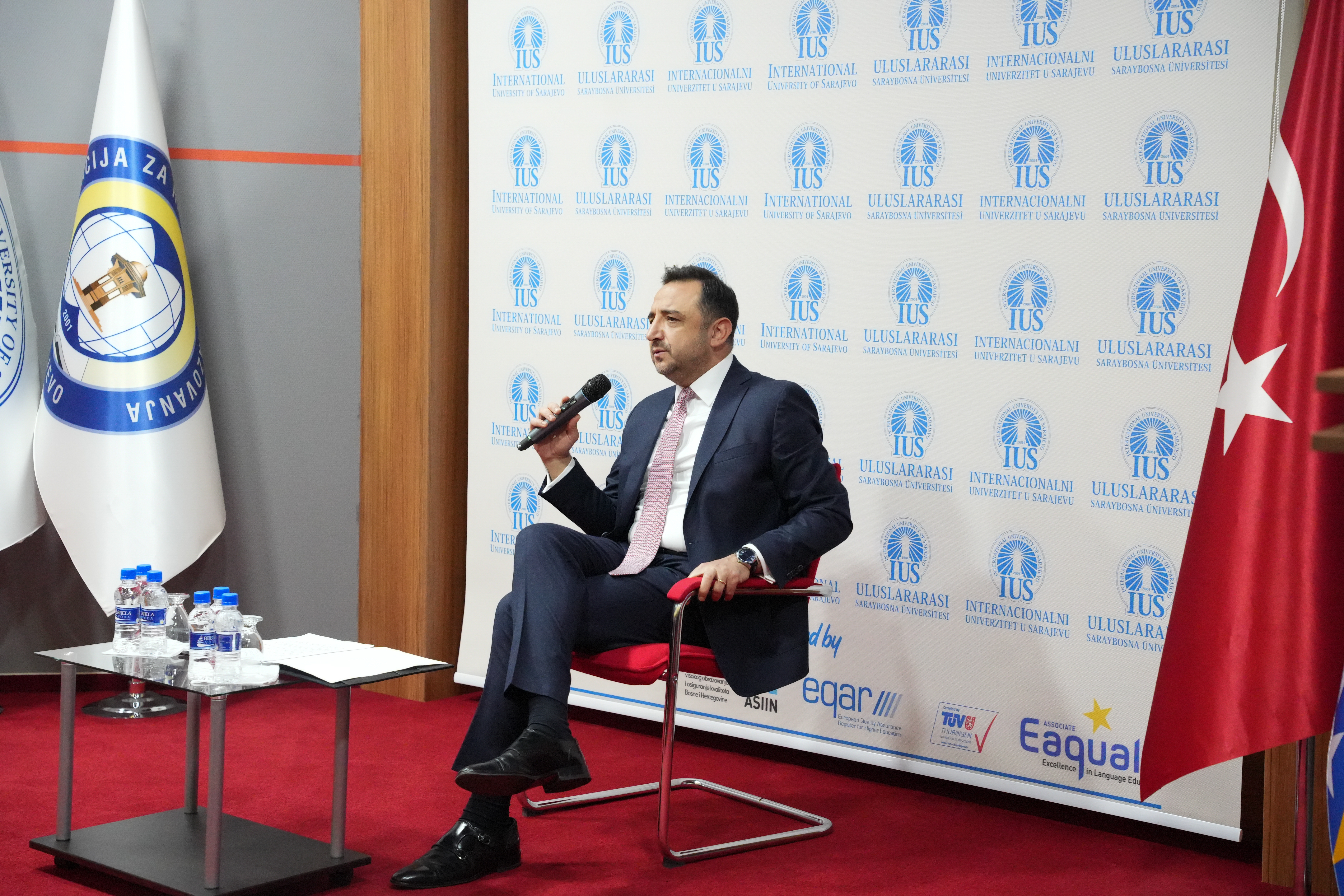
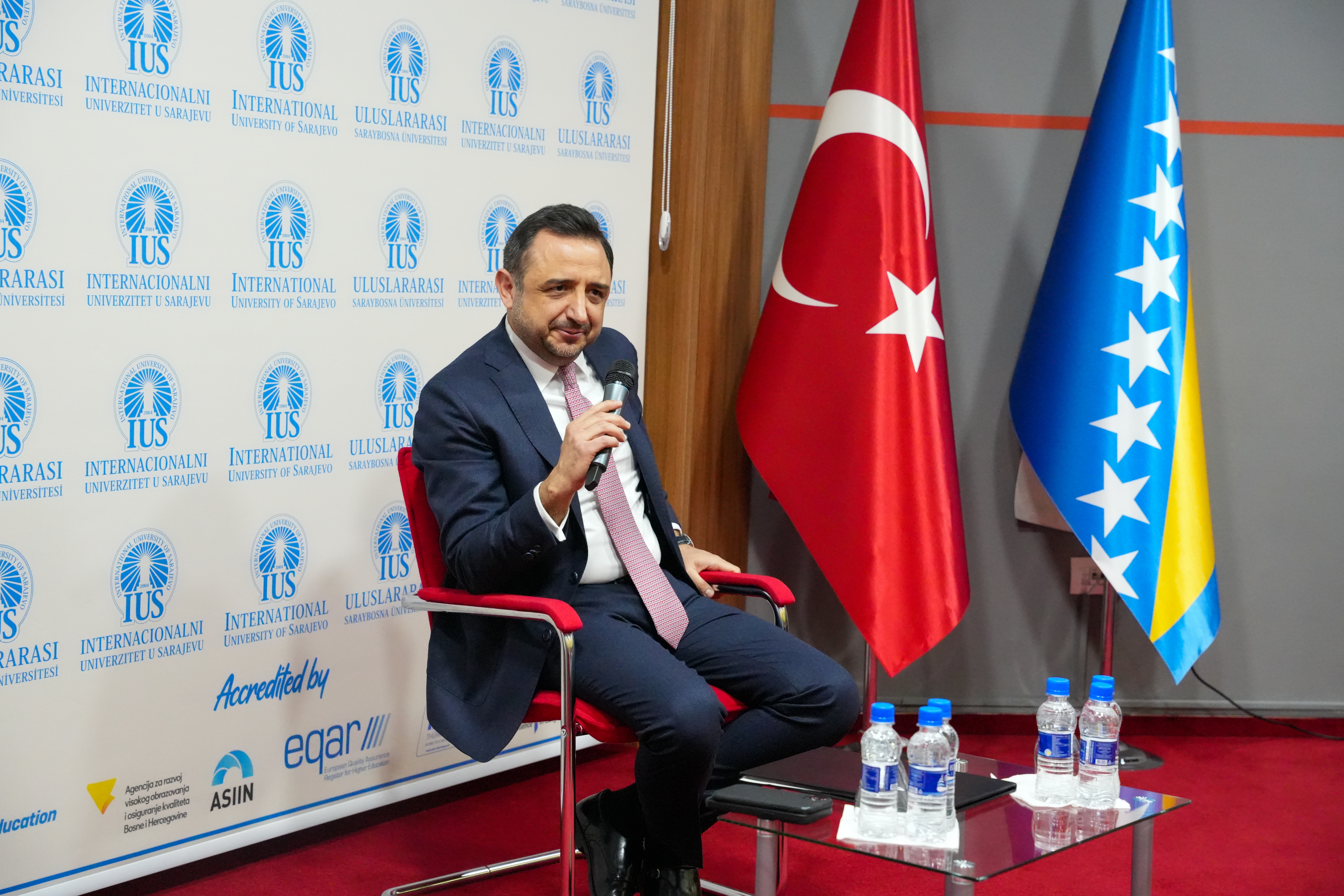
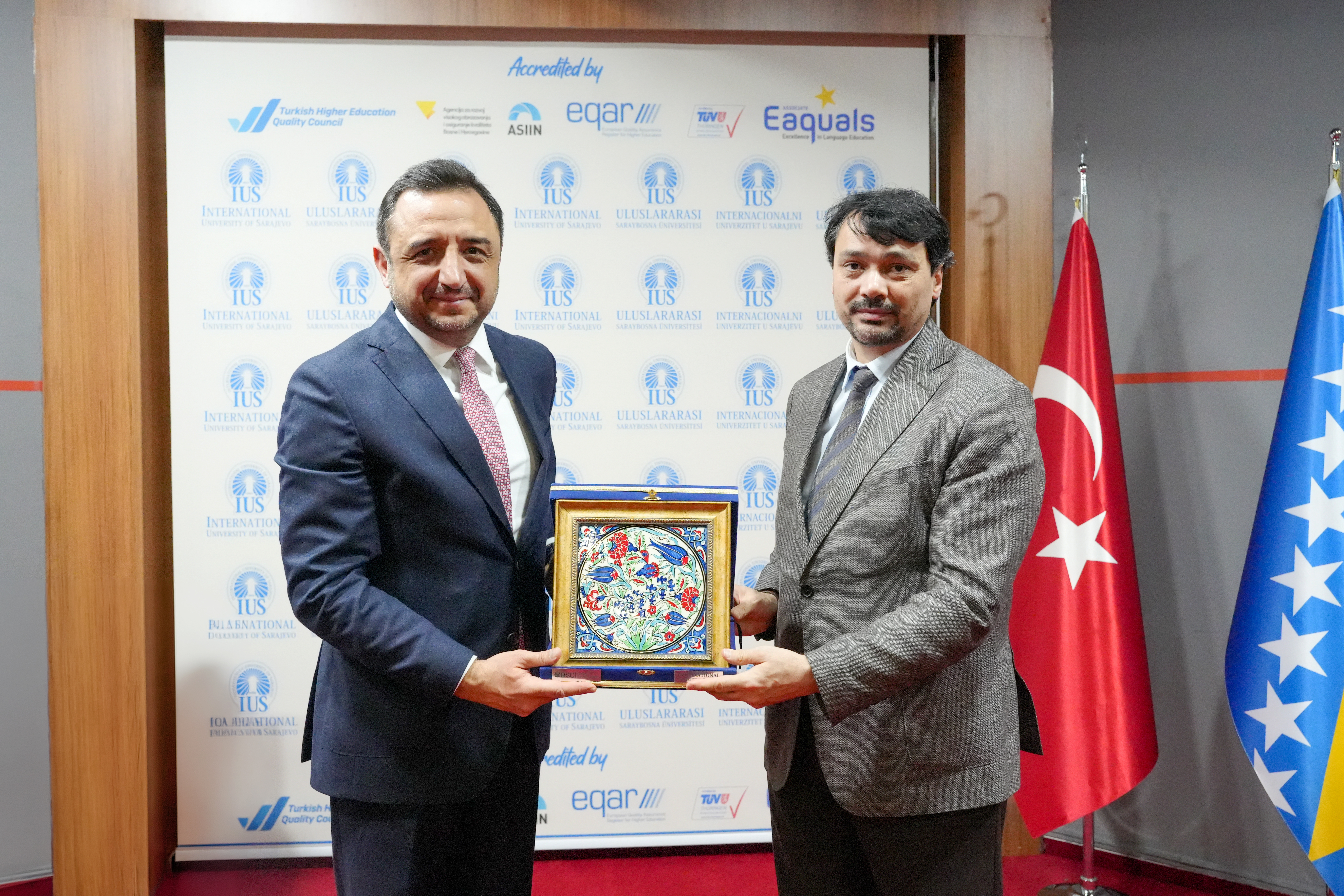
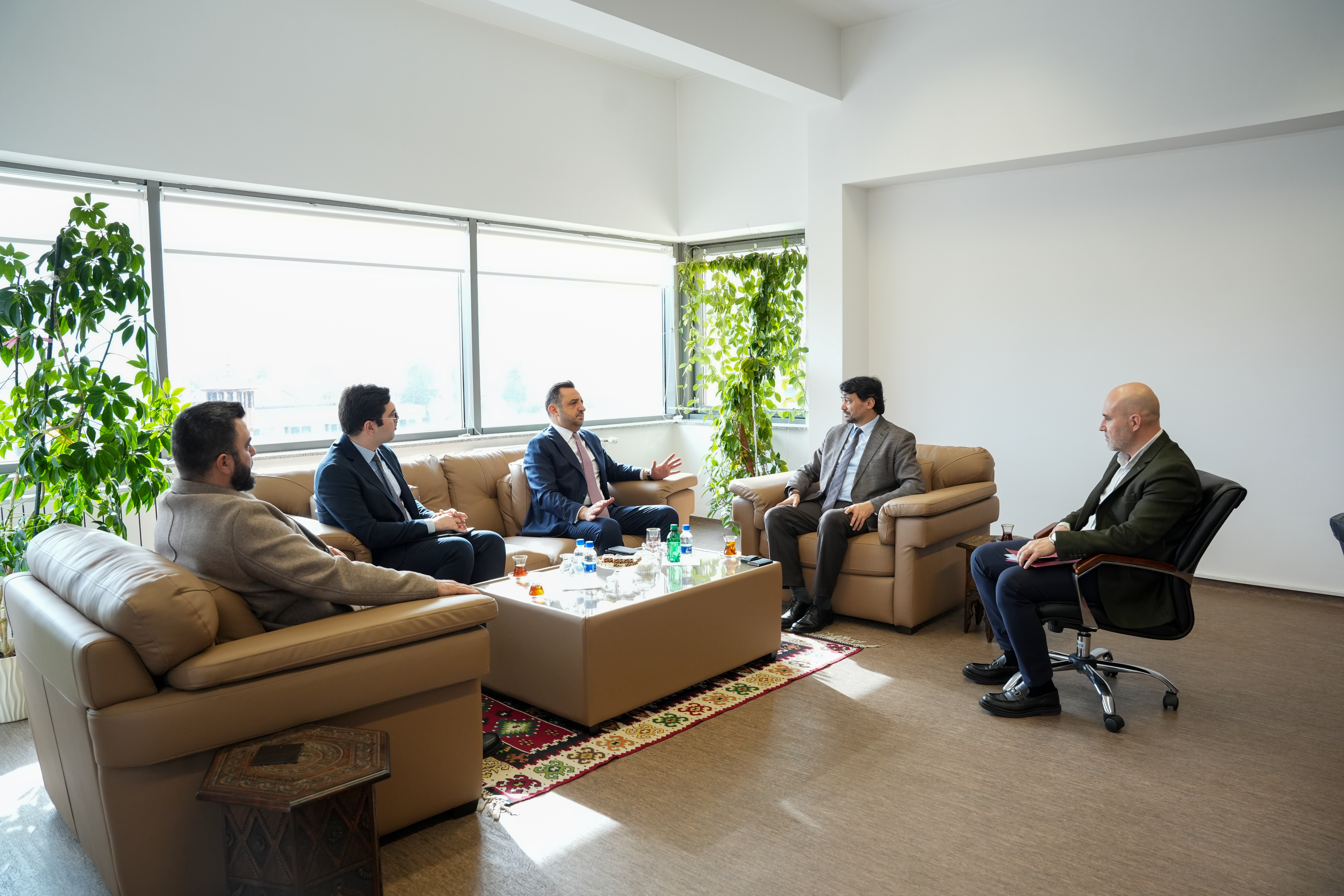
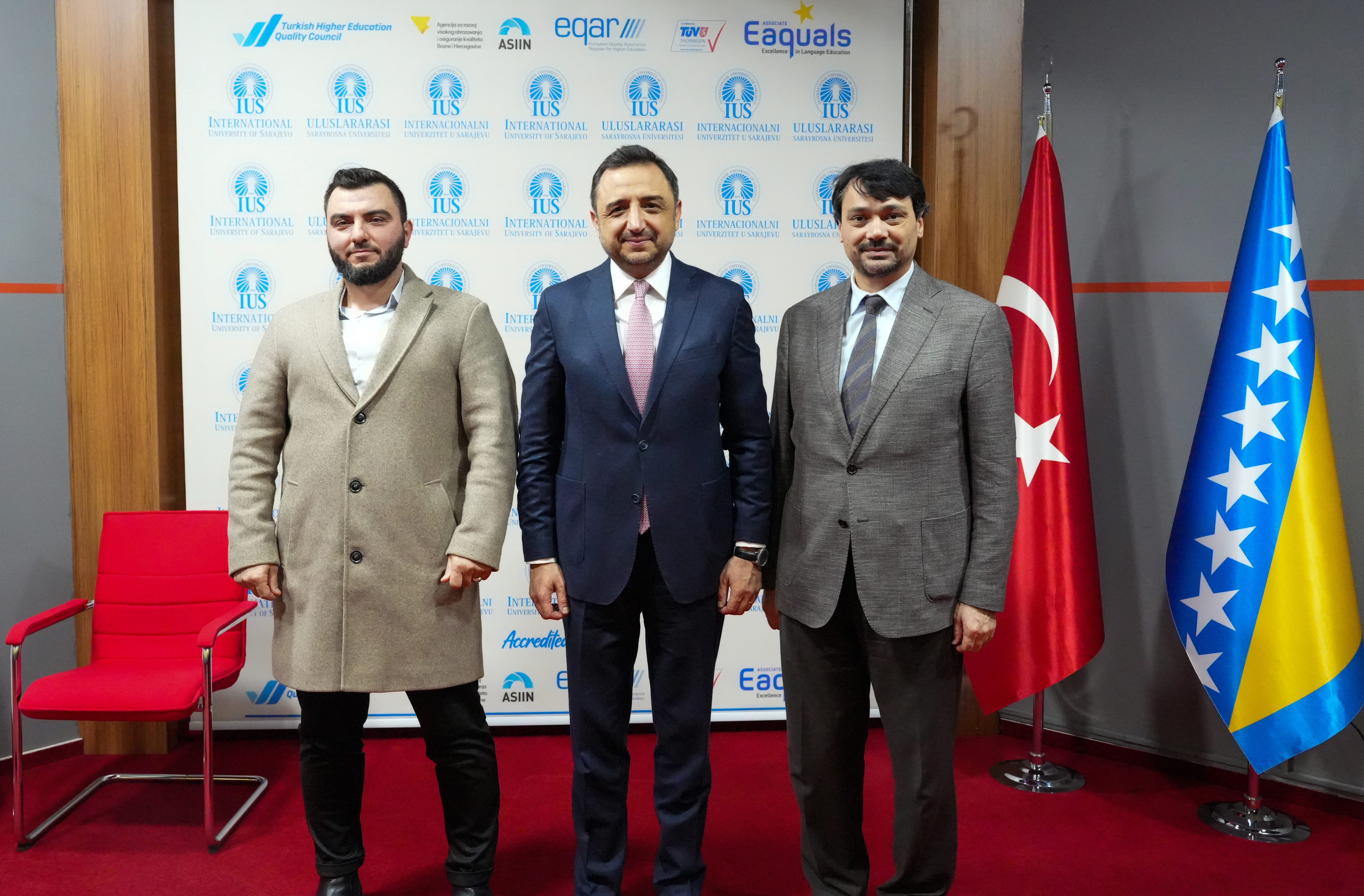
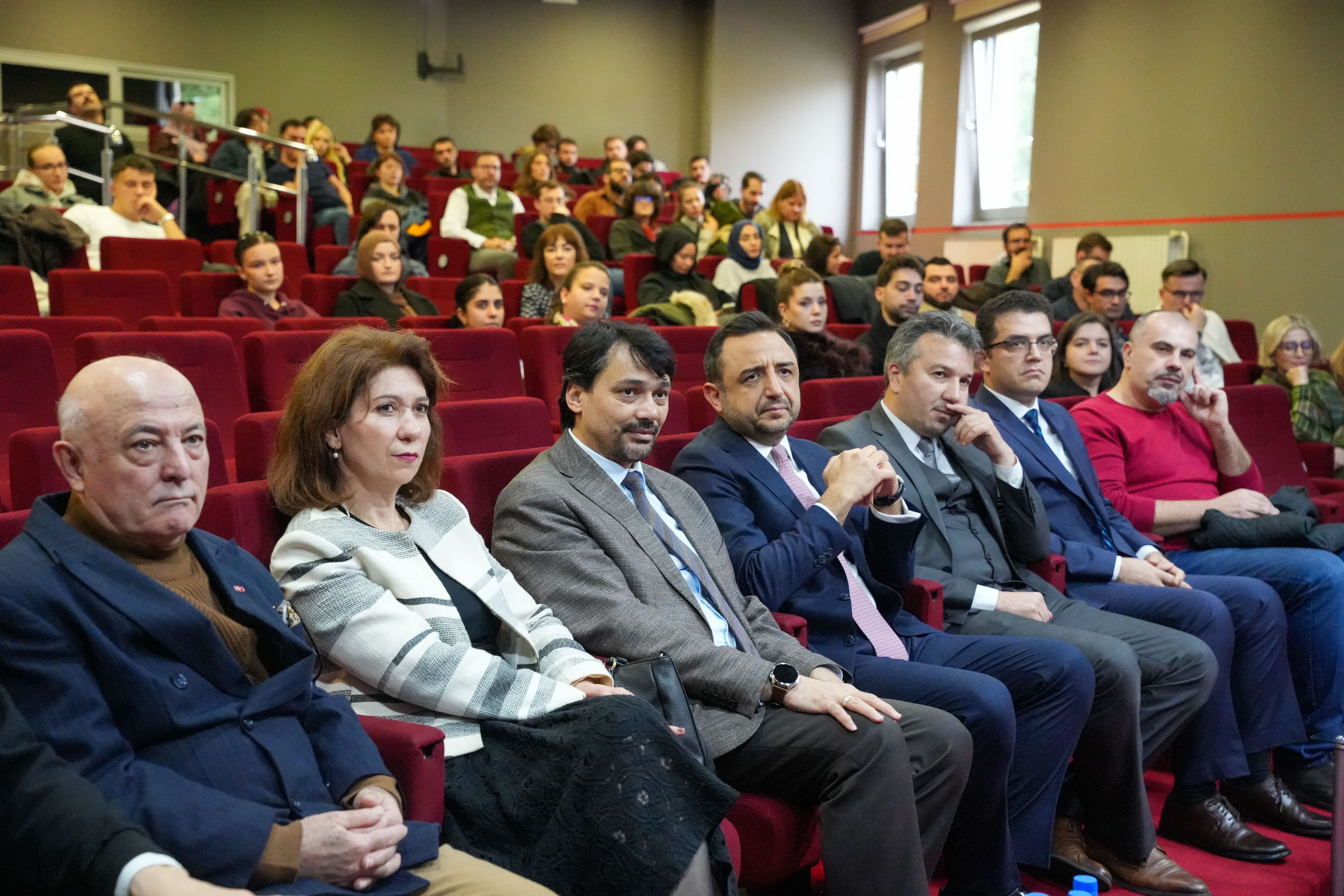
On Thursday, November 12, 2026, the International University of Sarajevo (IUS) welcomed H.E. Emin Akseki, Ambassador of the Republic of Türkiye to Bosnia and Herzegovina, as a guest lecturer in the Shuttle Diplomacy Talks series, organized by the IUS Balkans Studies Centre (BSC) and the Department of Political Science and International Relations (PSIR).
The lecture, titled “Stability Through Dialogue: Türkiye’s Strategic Vision for the Balkans Integration,” explored Türkiye’s foreign policy approach to the Western Balkans, its commitment to regional stability, and the importance of dialogue in addressing political and economic challenges.
Ambassador Akseki opened his lecture by explaining why the Balkans hold such an important place in Türkiye’s foreign policy. He identified three main reasons: the unique historical and cultural ties between Türkiye and the region, the Balkans’ strategic importance as a trade route connecting Türkiye with European markets, and the direct relationship between regional stability and Türkiye’s own peace and security.
He emphasized that Türkiye’s approach to the Balkans forms part of its broader foreign policy strategy, shaped by its geographical position and relationships with neighboring regions, including the Middle East, the Caucasus, and the Black Sea. Given the different challenges facing each region, he explained, Türkiye's diplomatic engagement requires approaches tailored to specific circumstances rather than a single, uniform strategy.
Outlining Türkiye’s main strategic objectives in the Balkans, Ambassador Akseki highlighted three key priorities: preserving and strengthening historical ties, making meaningful contributions to regional peace and stability, and expanding economic and commercial cooperation.
He explained that these objectives are pursued through a combination of development cooperation, economic partnerships, and diplomatic initiatives. Institutions such as the Turkish Cooperation and Coordination Agency (TİKA) play an important role in maintaining historical and cultural connections, while trade and investment contribute to stronger economic relations. In the political and security sphere, Türkiye places particular emphasis on dialogue, both through bilateral relations and trilateral cooperation mechanisms involving Türkiye, Bosnia and Herzegovina, Serbia, and Croatia.
Ambassador Akseki stressed that dialogue remains the most effective instrument for achieving lasting peace and stability in the Balkans, particularly in a region where historical experiences and differing political perspectives continue to influence relations among countries.
A significant part of the lecture focused on the Balkan Peace Platform, an initiative launched by Türkiye in 2025 to encourage dialogue and cooperation among seven participating countries. Ambassador Akseki explained that the platform serves two main purposes: providing an open and constructive environment in which regional countries can discuss issues of common concern, and encouraging them to take greater responsibility for addressing their own challenges.
He placed particular emphasis on the principle of regional ownership, arguing that sustainable solutions require countries in the Balkans to take the initiative, identify shared interests, and work together to overcome differences.
The Ambassador also clarified that the Balkan Peace Platform is not intended to replace or compete with existing European and Euro-Atlantic integration efforts. Rather, it is designed to complement them by strengthening regional cooperation and building confidence among participating countries. He reaffirmed Türkiye’s support for the integration of Balkan countries into the European Union and NATO.
Turning to Bosnia and Herzegovina, Ambassador Akseki reaffirmed Türkiye’s strong commitment to the country's territorial integrity, describing it as a fundamental principle of Turkish foreign policy. He noted that Bosnia and Herzegovina holds a special place in the hearts of the Turkish people and emphasized that dialogue among its three constituent peoples remains essential for overcoming political challenges and ensuring a stable and prosperous future.
Throughout the lecture, Ambassador Akseki returned to the importance of constructive communication, mutual understanding, and political willingness to address disagreements. He emphasized that meaningful progress requires countries and communities to engage directly with one another, identify common interests, and take practical steps toward solutions.
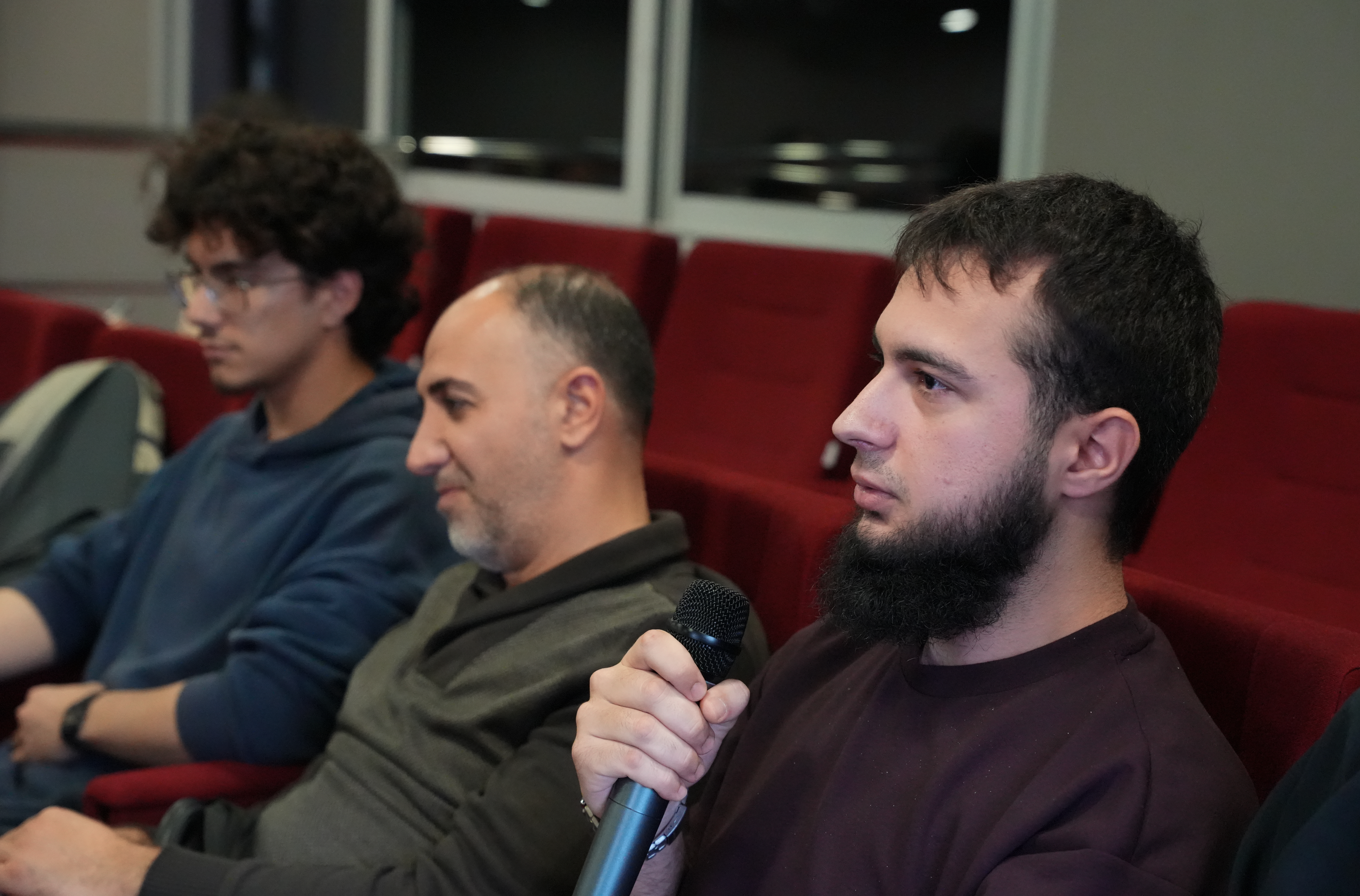
The lecture concluded with an interactive Q&A session, during which students raised questions about Türkiye’s regional partnerships, relations between Serbia and Kosovo, economic cooperation, and opportunities for youth participation in peacebuilding initiatives. Ambassador Akseki encouraged students to approach international affairs with critical thinking, seek to understand different perspectives, and examine the underlying causes of political challenges.
The event provided IUS students with valuable first-hand insights into contemporary diplomacy and Türkiye’s strategic approach to the Western Balkans, while highlighting the importance of dialogue as a foundation for regional cooperation and stability.